
Early Detection
Find hidden activity before it spreads.
Pest Problems
Pests live in plain sight. We help you spot them early so you can protect what matters most.
Find hidden activity before it spreads.
Small issues are easier to control.
Know what is happening around your home.
Pests rarely show themselves—here's what to look for.
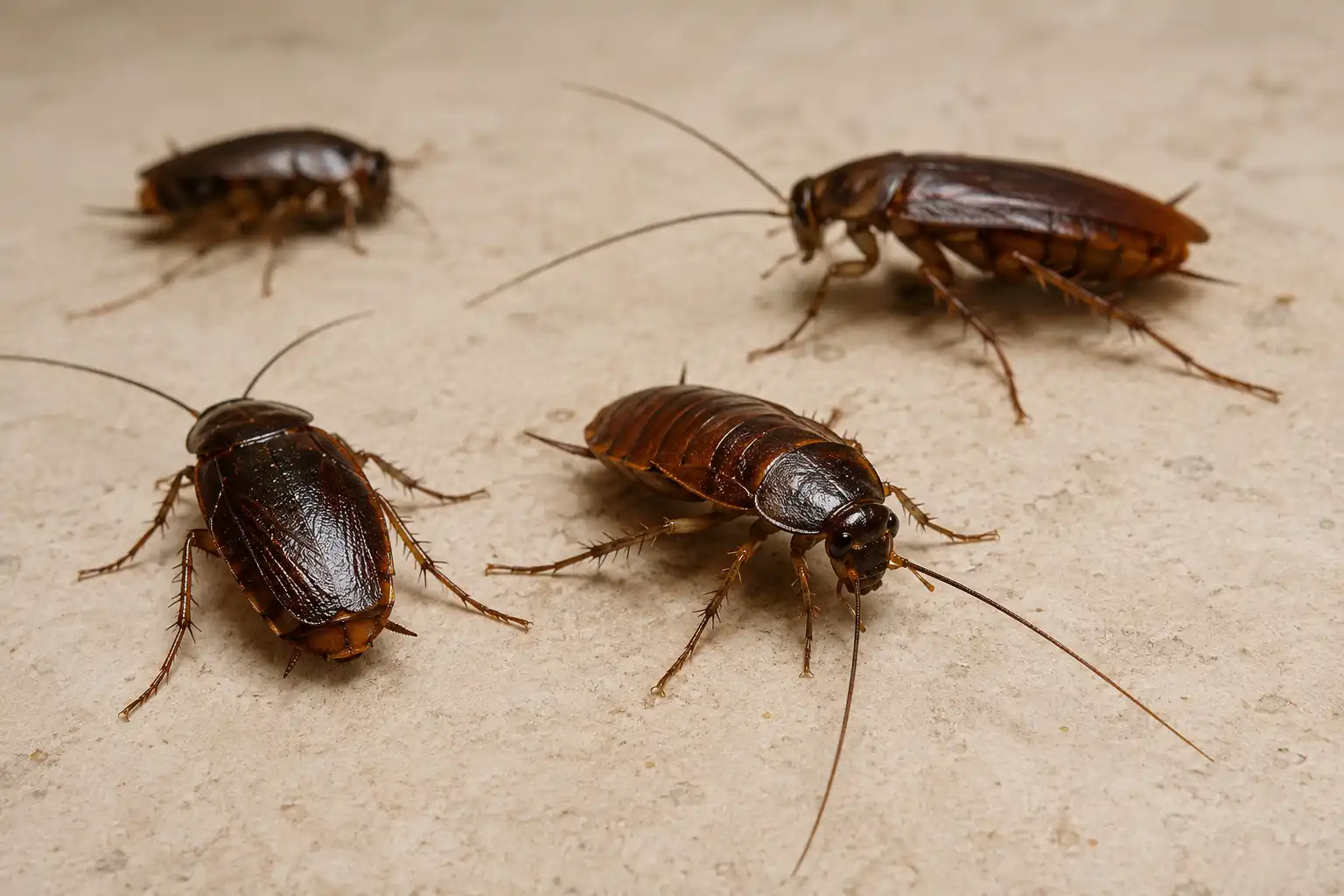
Live or dead roaches, droppings, egg cases, and a musty odor.
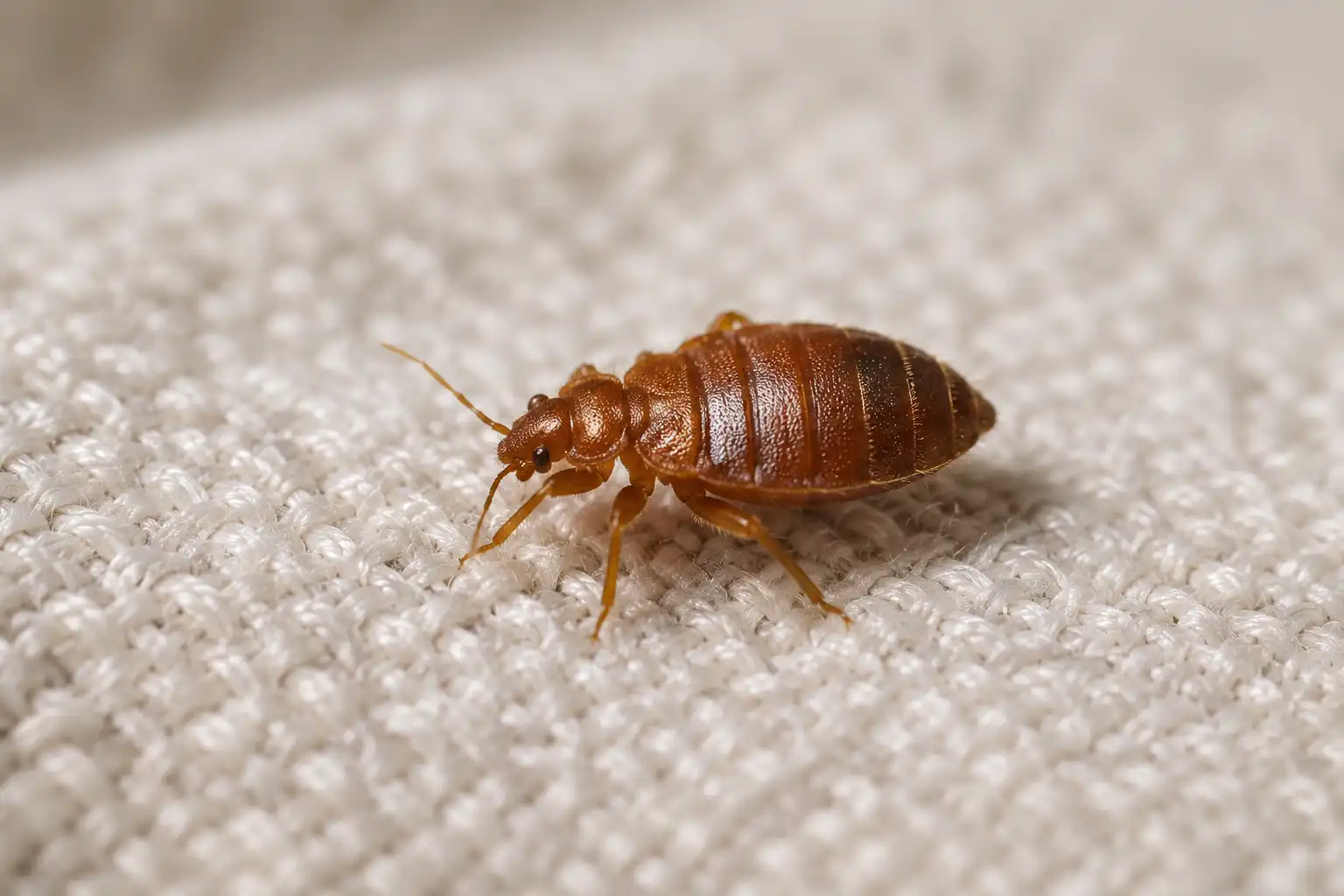
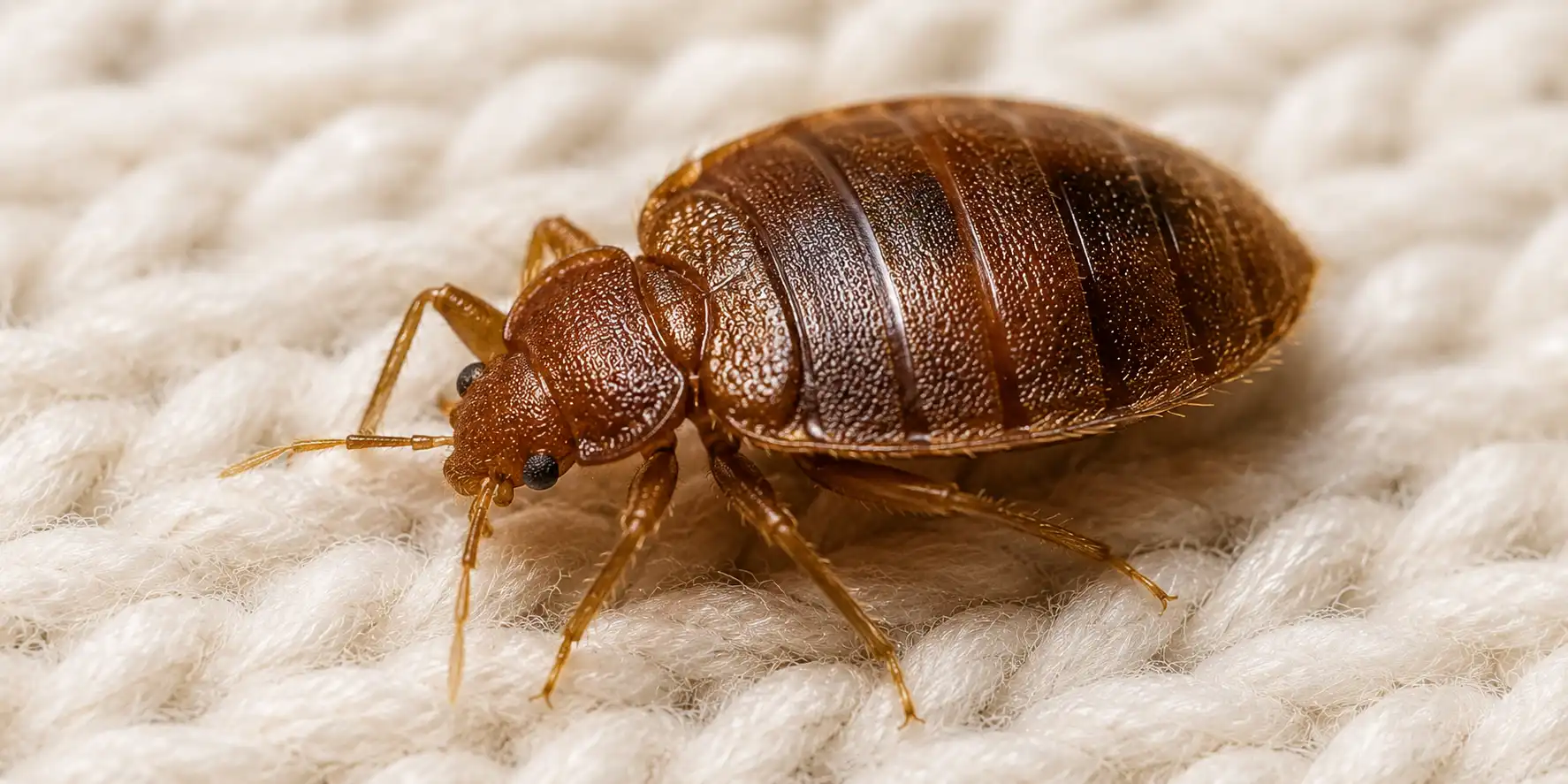
Itchy bites, blood spots on sheets, shed skins, and musty odor.
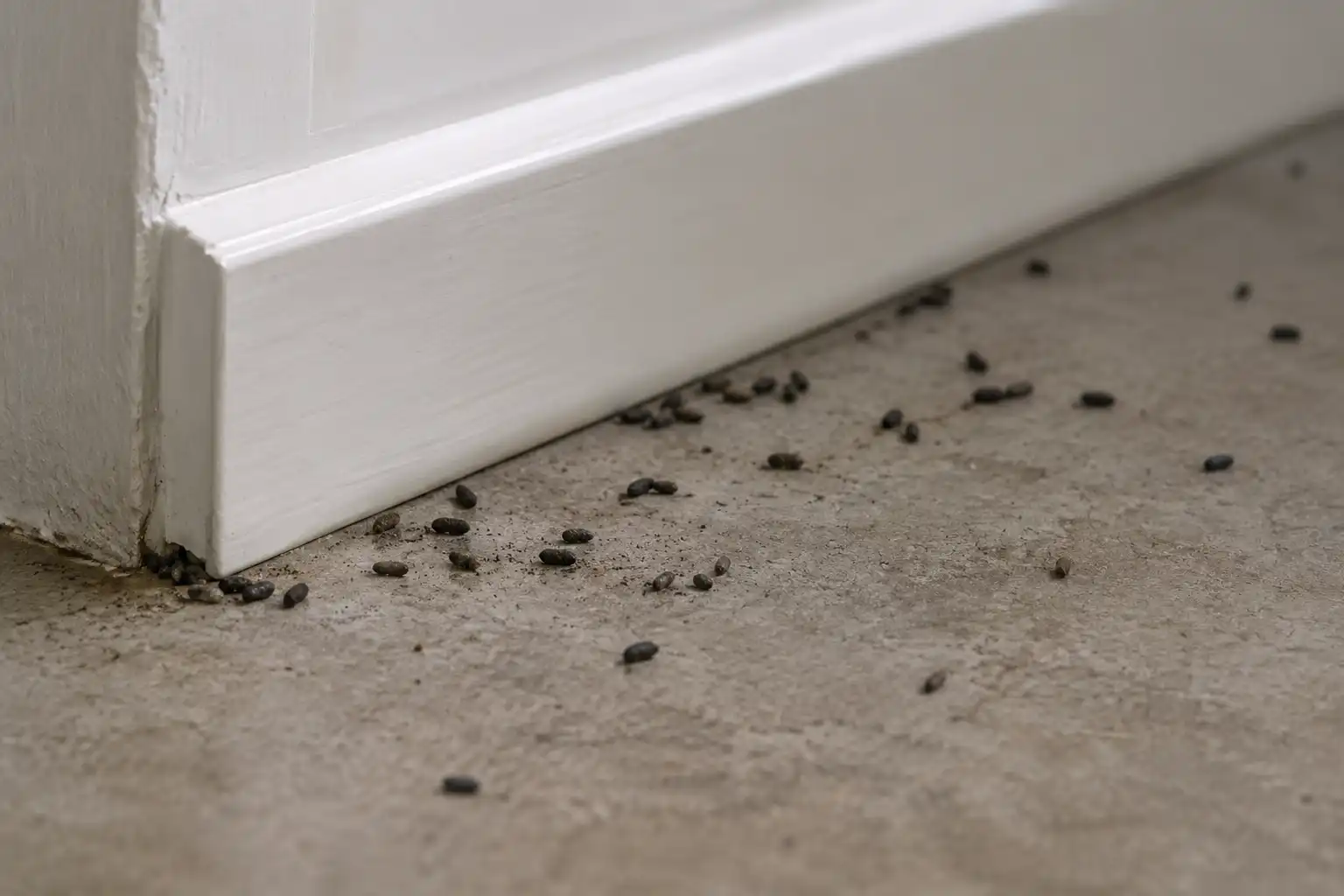
Small dark droppings in cabinets, corners, or along baseboards.
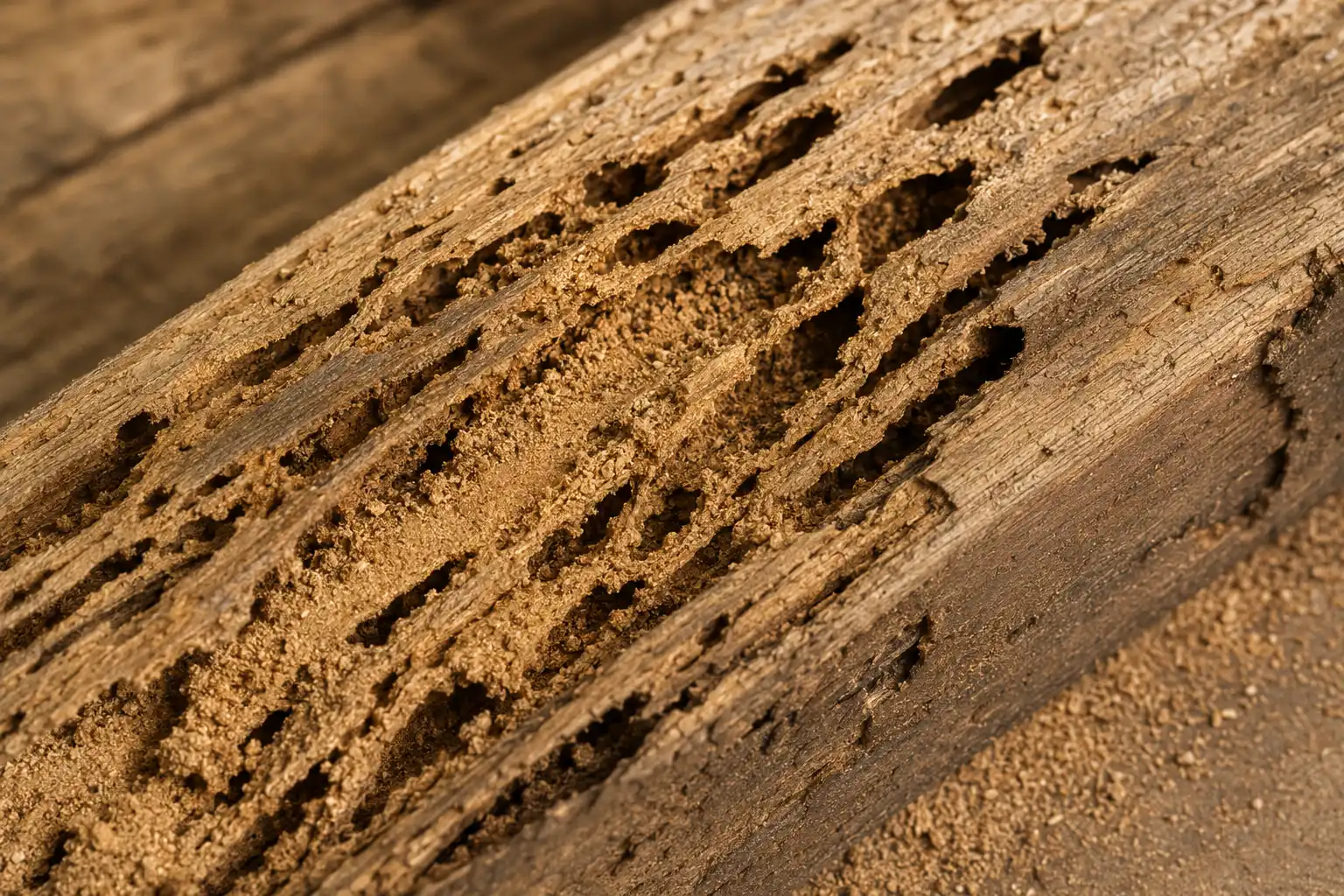
Hollow wood, tunnels, or sawdust-like particles near trim or beams.
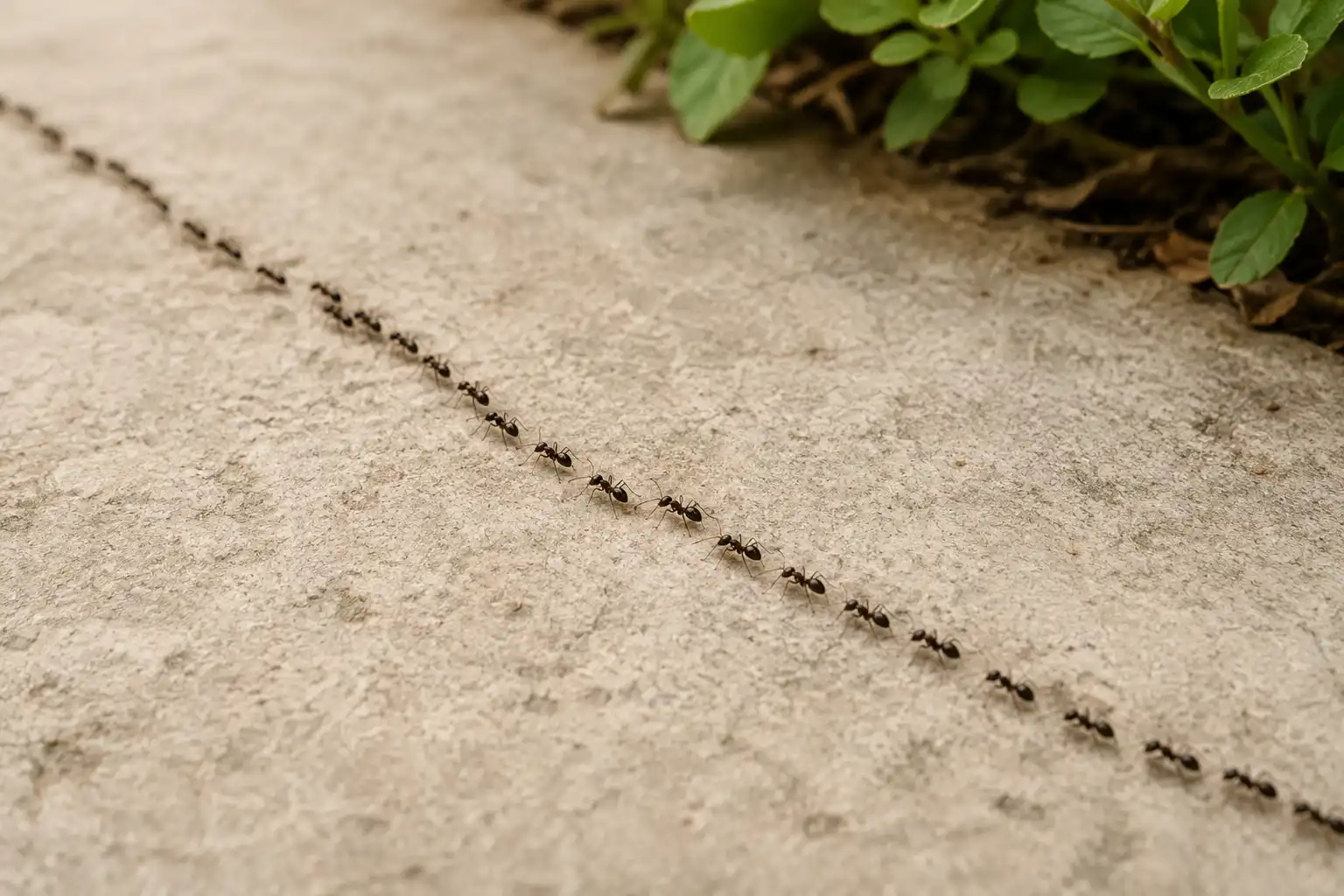
Visible lines of ants, spiders, or insects near entry points.
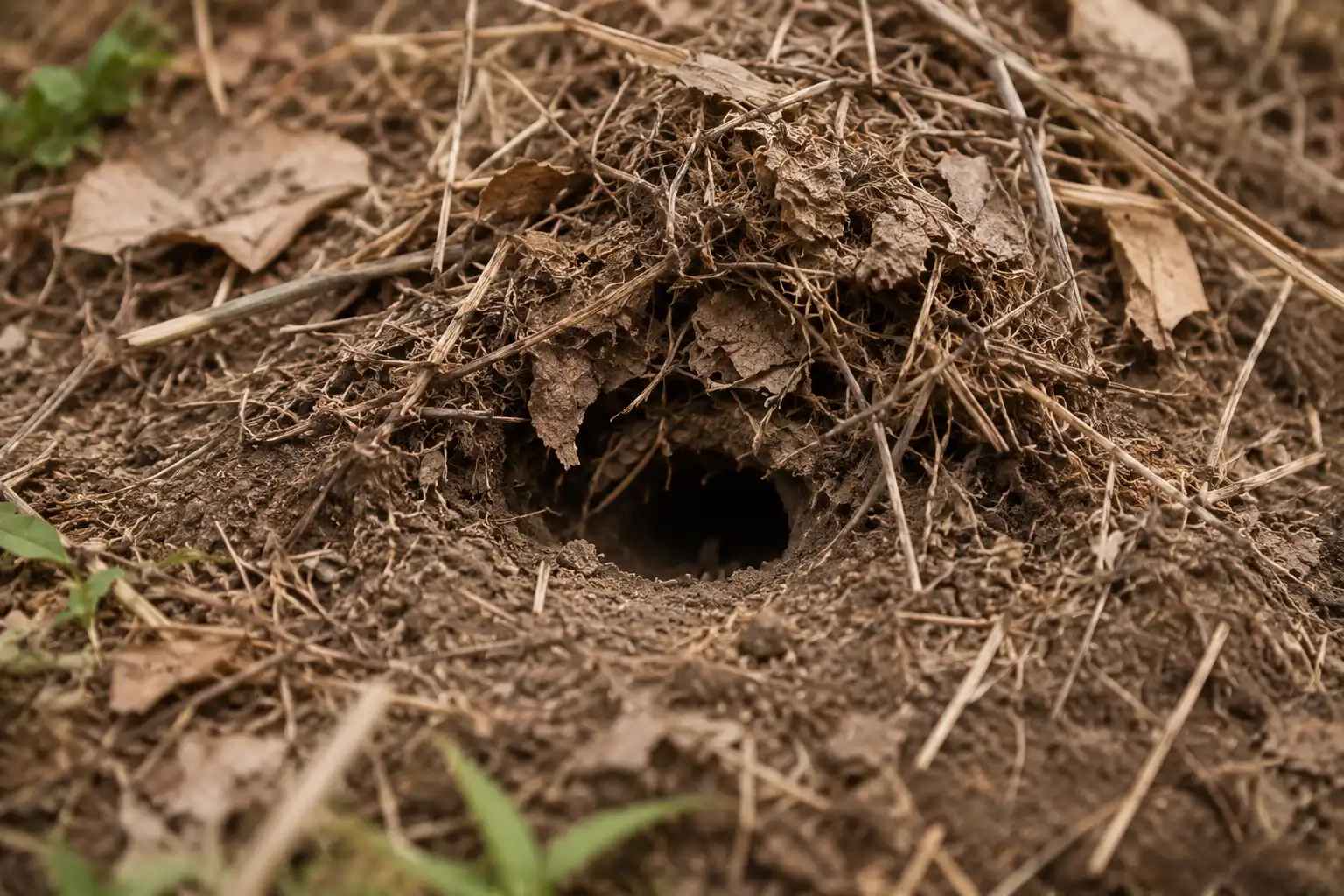
Nests in attics, shrubs, eaves, wall voids, or hidden areas.
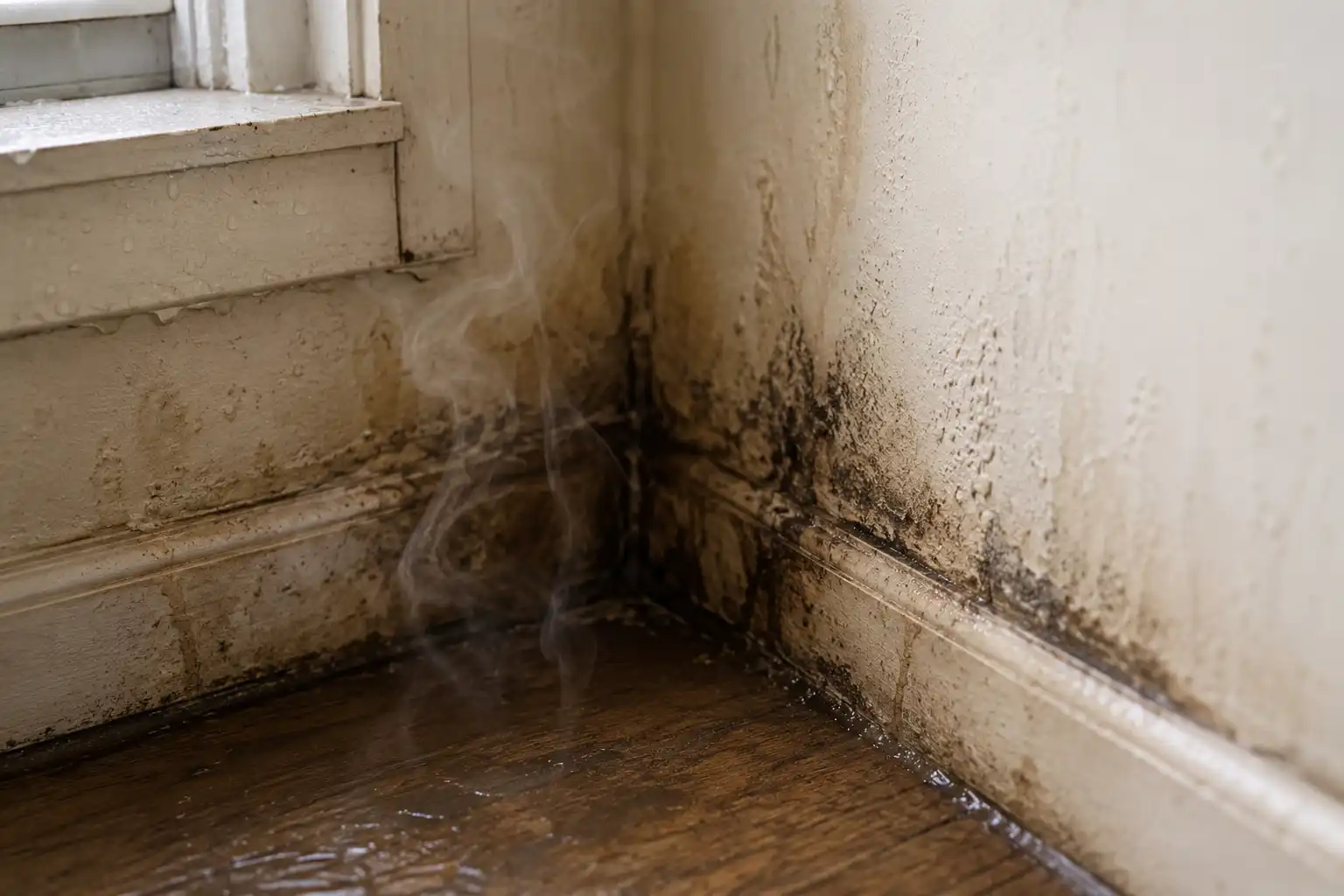
Musty, oily, or unusual smells can signal hidden pest activity.
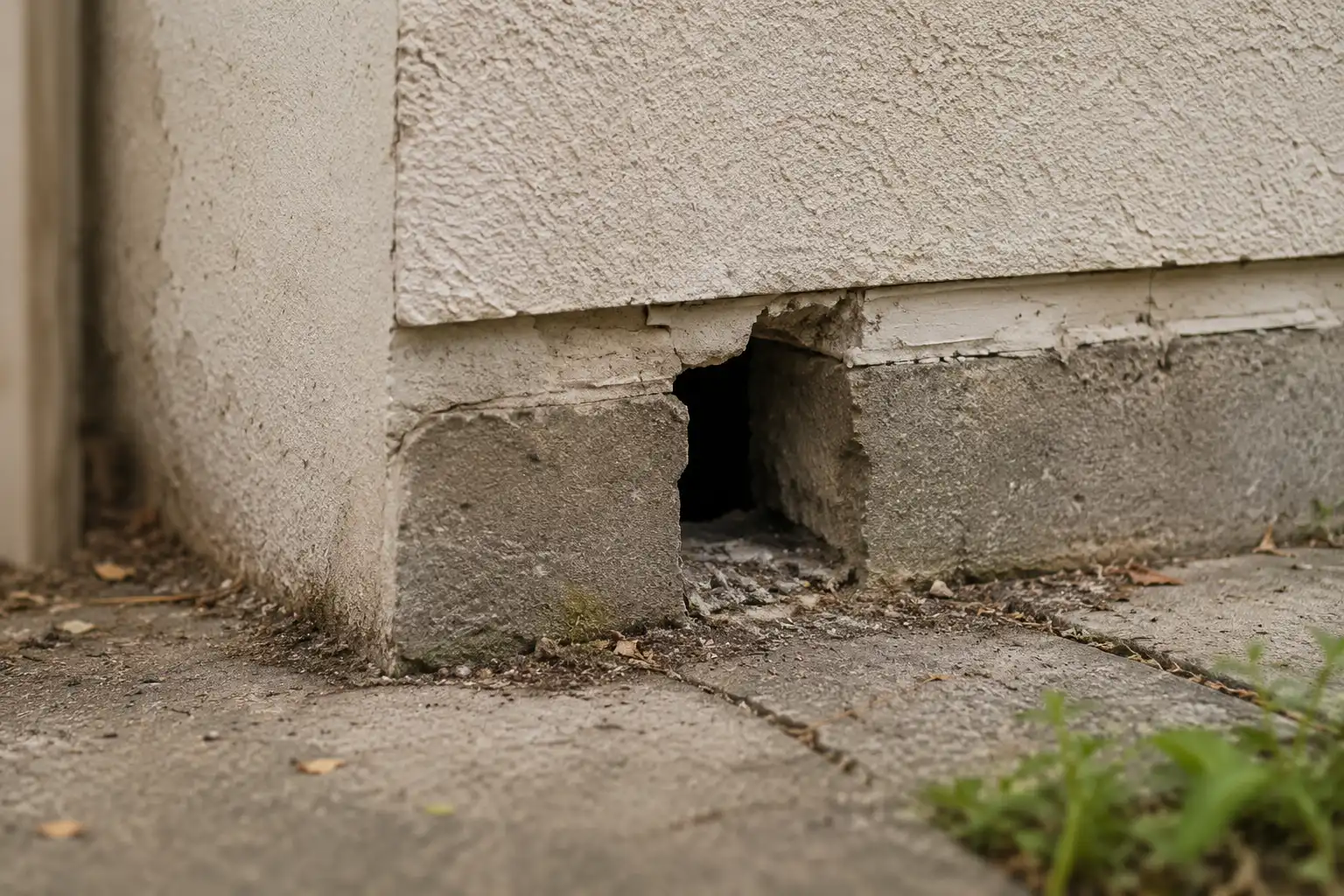
Cracks, holes, and gaps around windows, doors, vents, and utilities.
Pests can show up anywhere inside your home.

Warmth, food, and moisture attract pests. Watch for these common signs:

Bed bugs hide in mattresses, furniture, and baseboards. Look for:

Pests can hide in furniture, electronics, wall voids, and quiet corners.
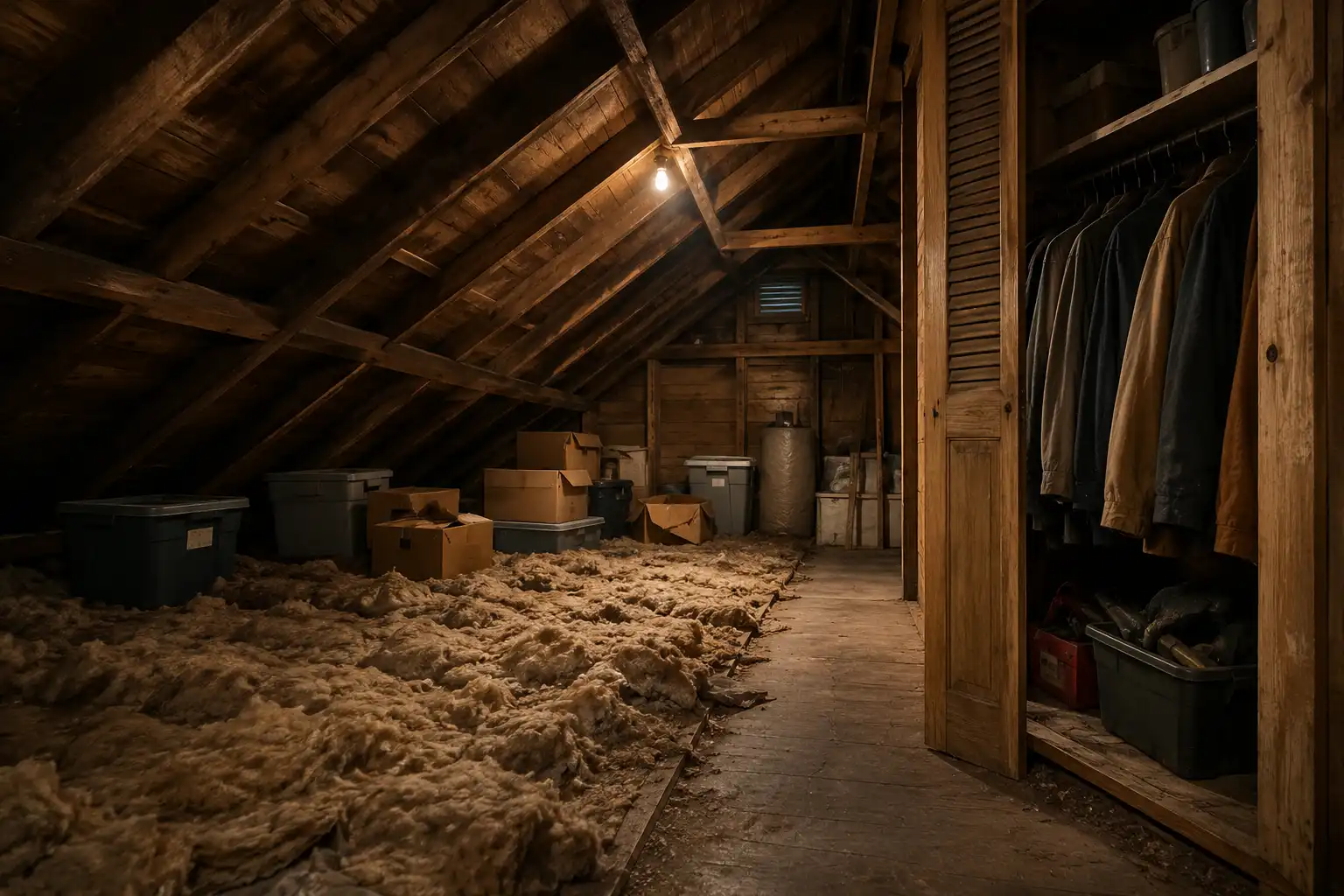
Dark, quiet spaces are ideal for nesting, hiding, and entry-point activity.
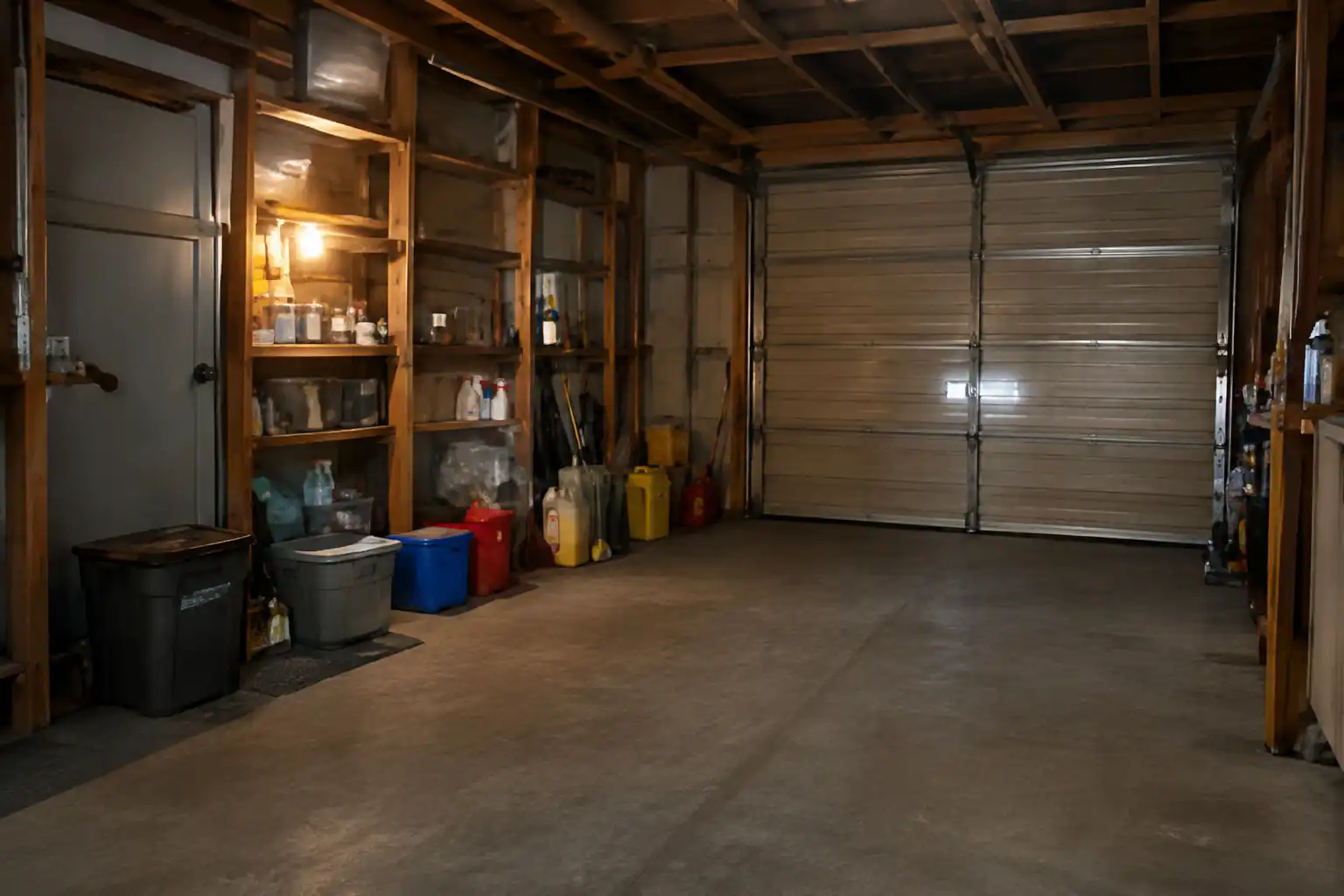
Damp, cool conditions and stored items attract a wide range of pests.
Pests often start outside. Protect your perimeter to protect your home.
Wasps, birds, and rodents nest in high, hard-to-reach areas.
Overgrown plants and mulch hold moisture and create hiding spots.
Cracks and gaps around the base of your home invite pests.
 123456
Wood-to-ground contact and clutter create easy access for pests.
Trash bins and utility clutter attract pests and create harborage.
Overgrown grass, leaf litter, and standing water invite ticks, fleas, and mosquitoes.
Know the signs. Know the risks. Know when to call.
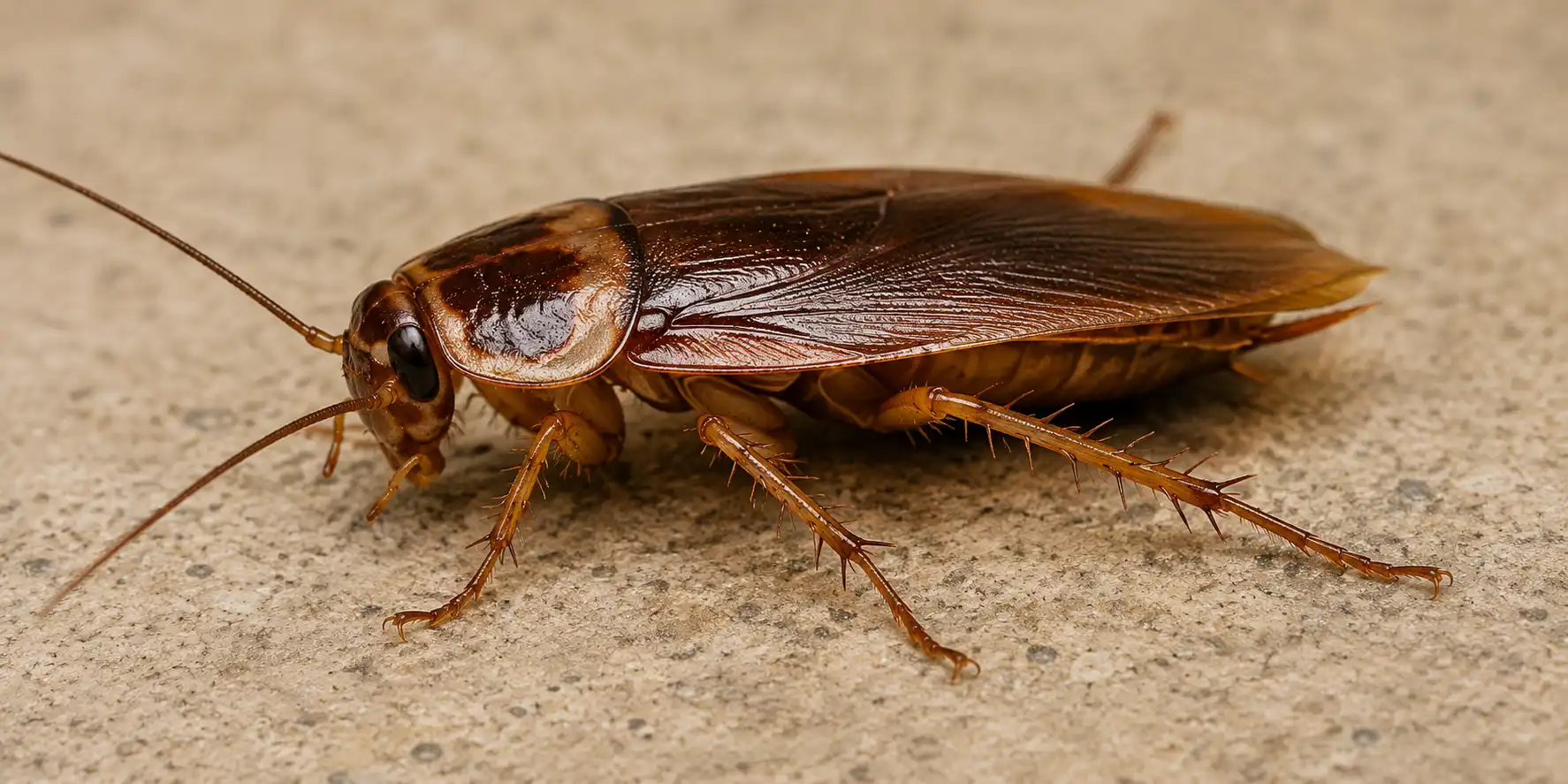
Hide in kitchens and bathrooms. Signs include droppings, egg cases, smear marks, and live roaches.
Destroy wood from the inside out. Signs include hollow wood, mud tubes, wings, and tight-fitting doors.
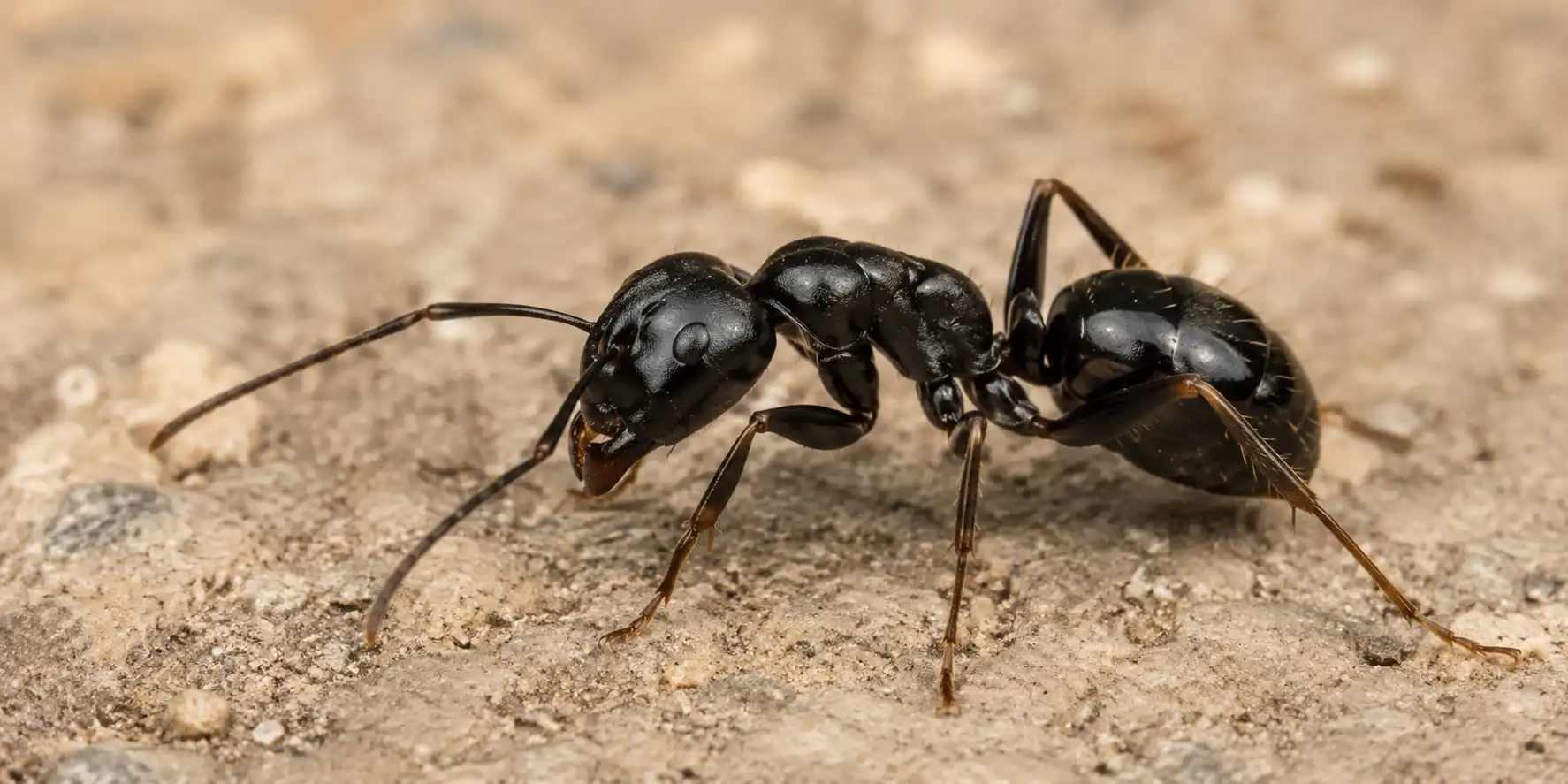
Hide in mattresses and furniture. Signs include itchy bites, blood spots, shed skins, and musty odor.

Build webs in corners, attics, and basements. Look for webs, egg sacs, and low-traffic activity.
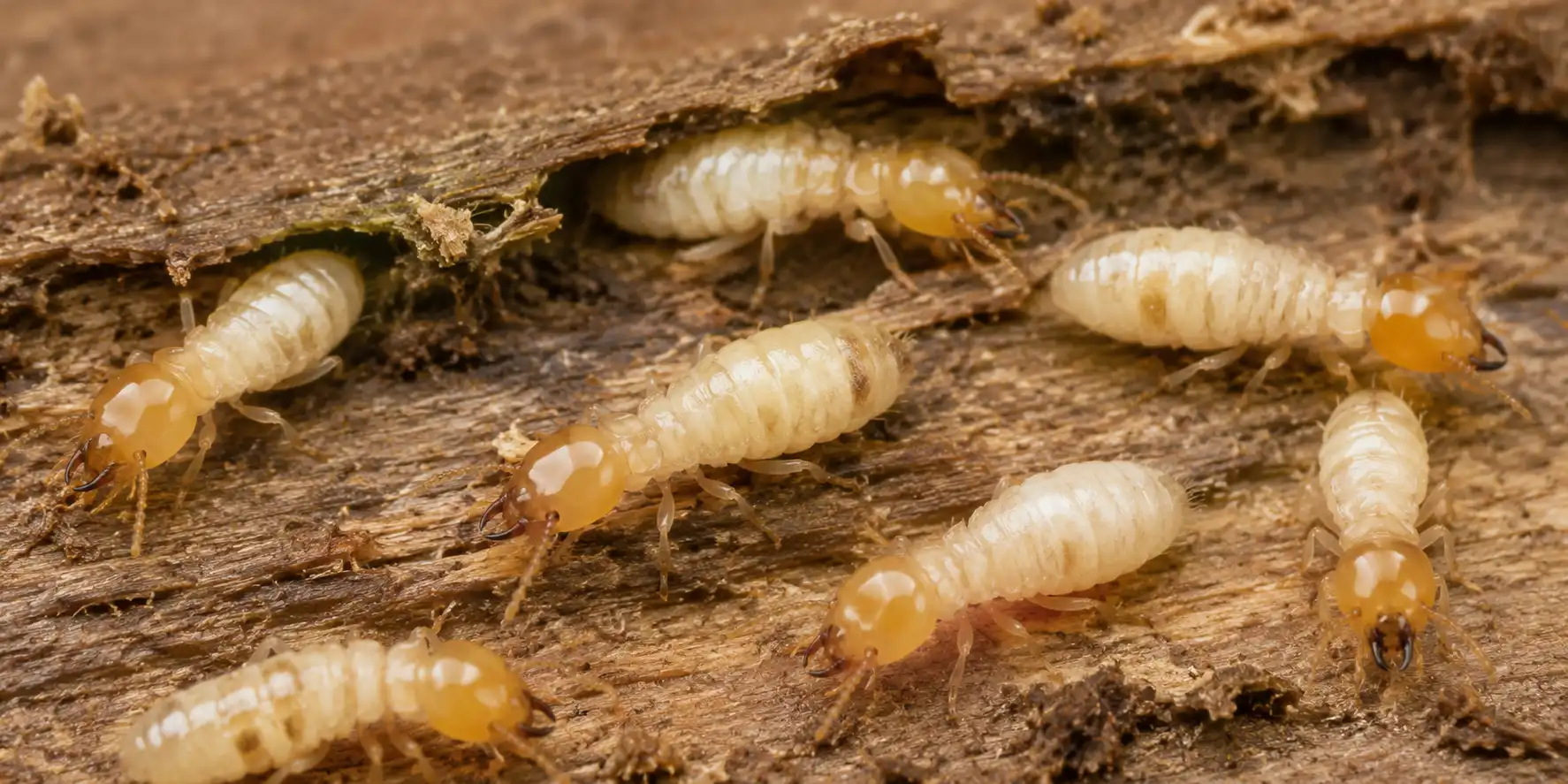
Travel in trails in search of food and water. Signs include visible trails, piles of dirt, and entry points.
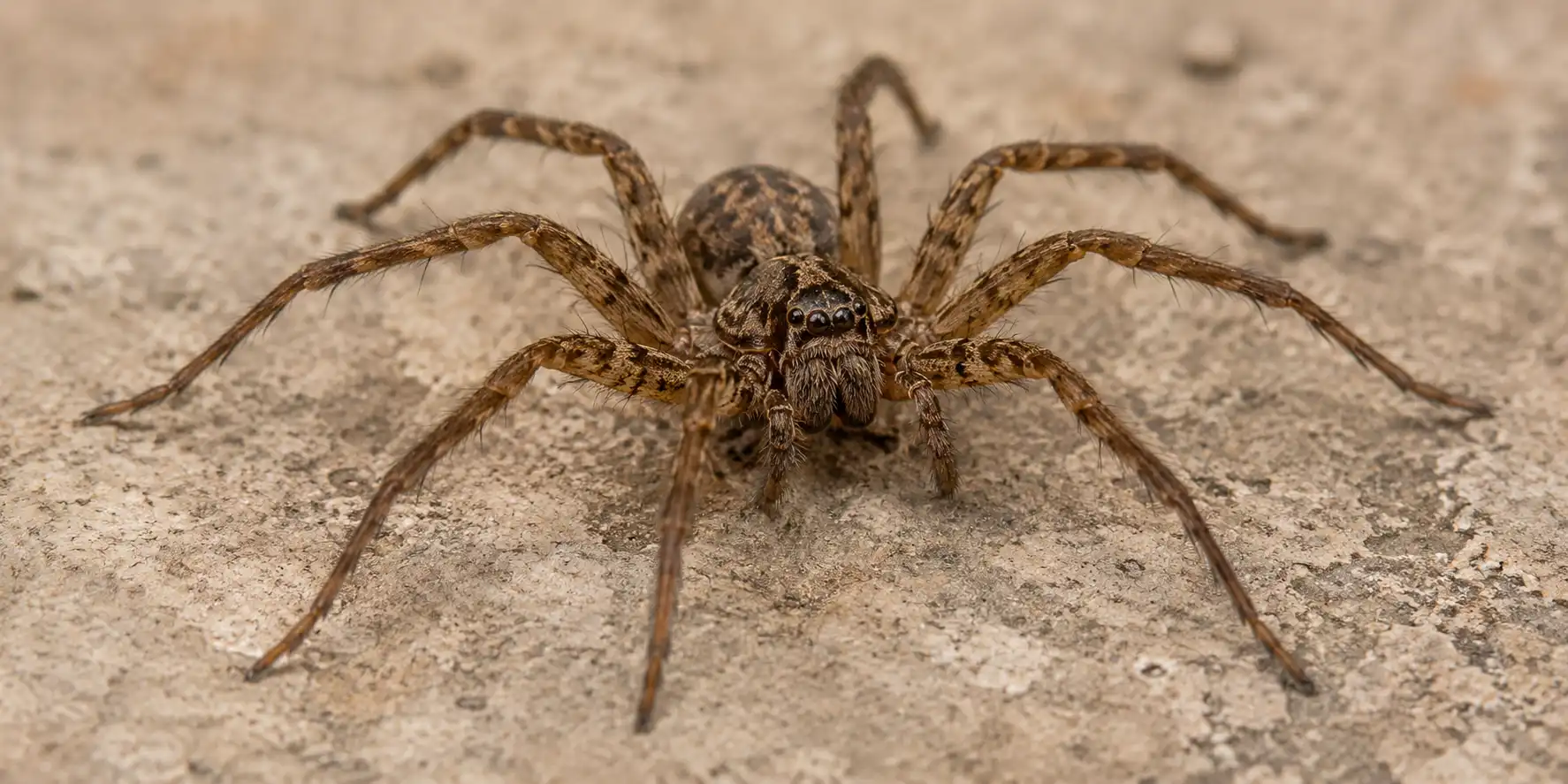
Build nests in eaves, trees, and wall voids. Signs include visible nests, activity, and buzzing near entry points.
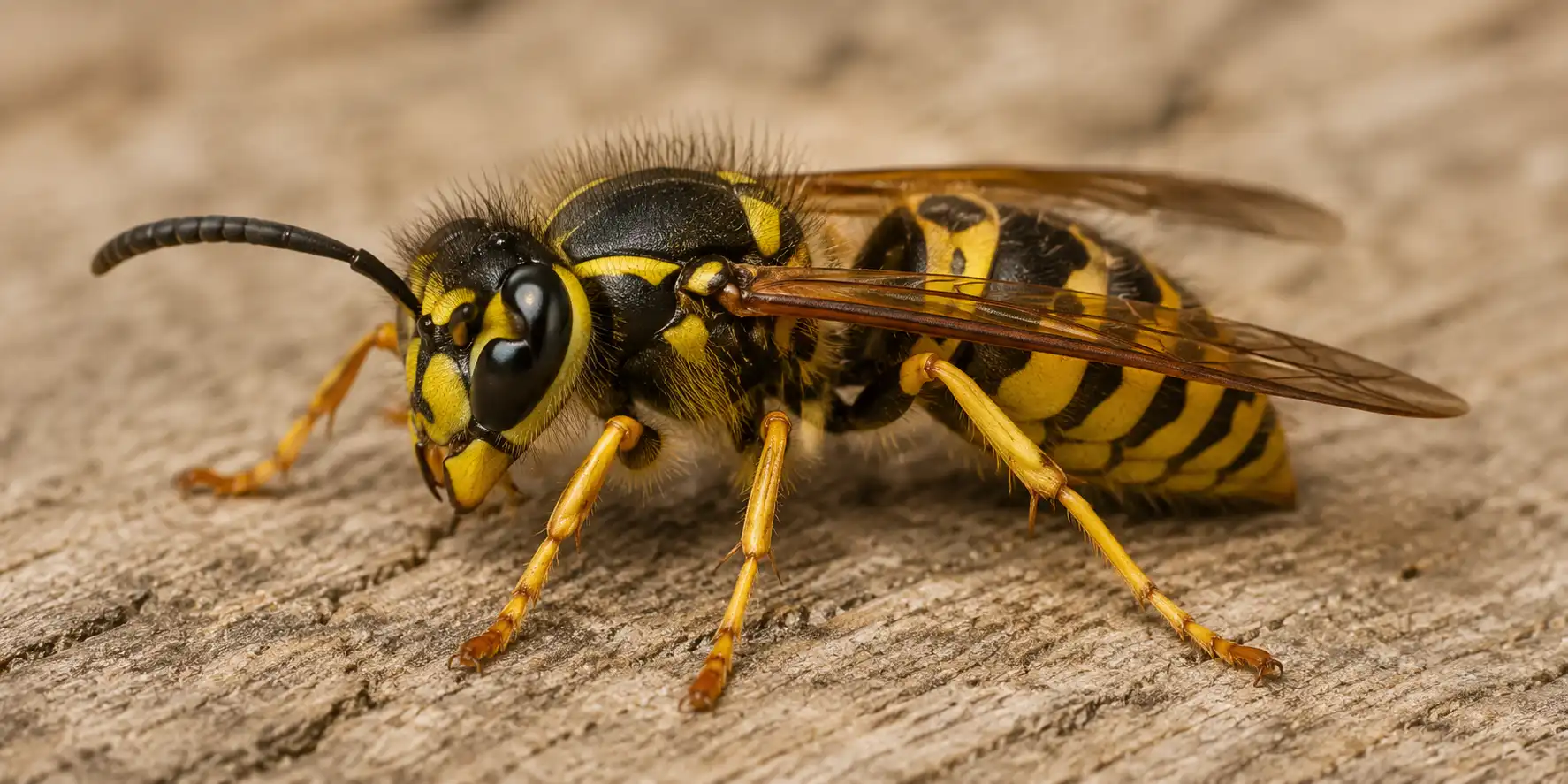
Chew through almost anything. Signs include droppings, chewed wires, noises in walls, and greasy rub marks.
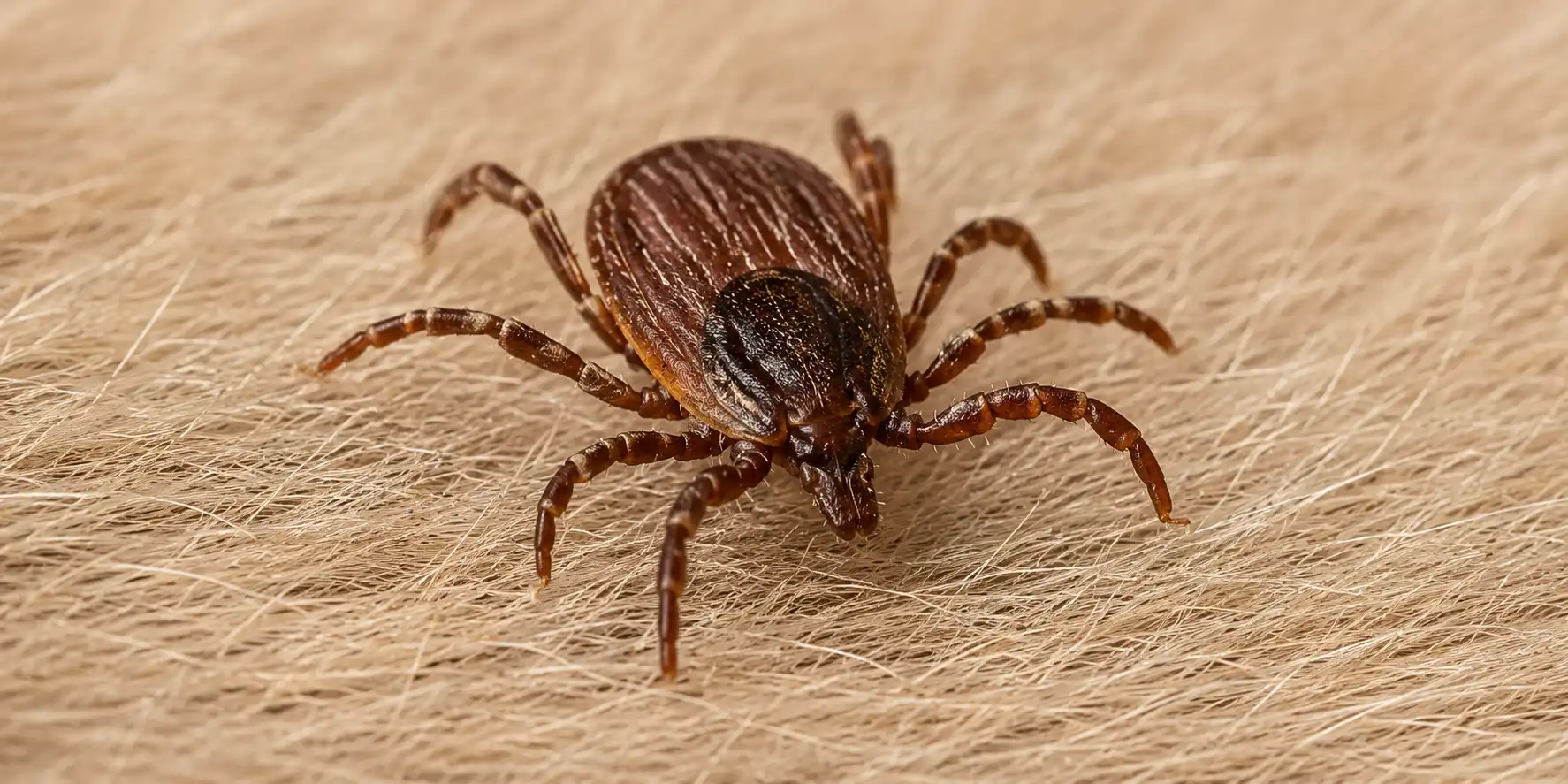
Found in pets, carpets, and yard edges. Signs include bites, scratching, and tiny dark specks.